
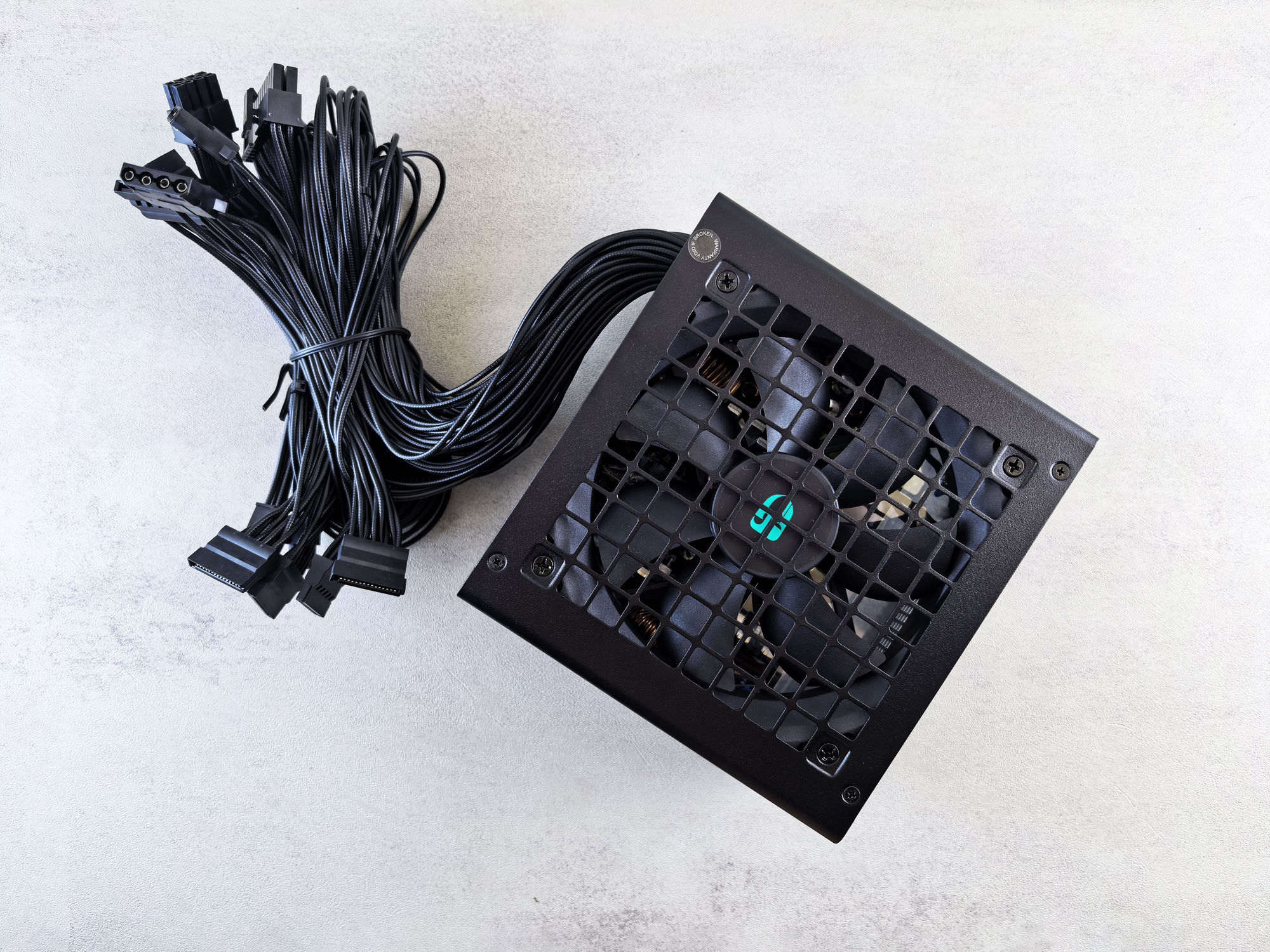
A power supply gives you two numbers on the box, and neither one tells you if it’s any good.
That sounds like a trap, and it is. The 80+ badge and the wattage figure are the two things everyone reads, and they’re both real, but they answer questions that have nothing to do with quality:
• 80+ (Bronze, Gold, Platinum, Titanium) measures efficiency, how much wall power reaches your parts instead of leaking off as heat. A higher tier wastes less. It says nothing about how well the unit is actually built.
• Wattage measures capacity, how much it can deliver. A 1000W unit can be excellent or dangerous. The number just tells you how big it is, not how good.
So what actually separates a great power supply from a risky one? All the things the box doesn’t print:
• Clean, steady voltage. A good unit holds its output rock-steady; a weak one lets it wobble, and that instability wears on everything downstream.
• Transient handling. Modern graphics cards throw sharp, split-second power spikes. A quality unit shrugs them off. A poor one sags or trips, which shows up as a random crash mid-task.
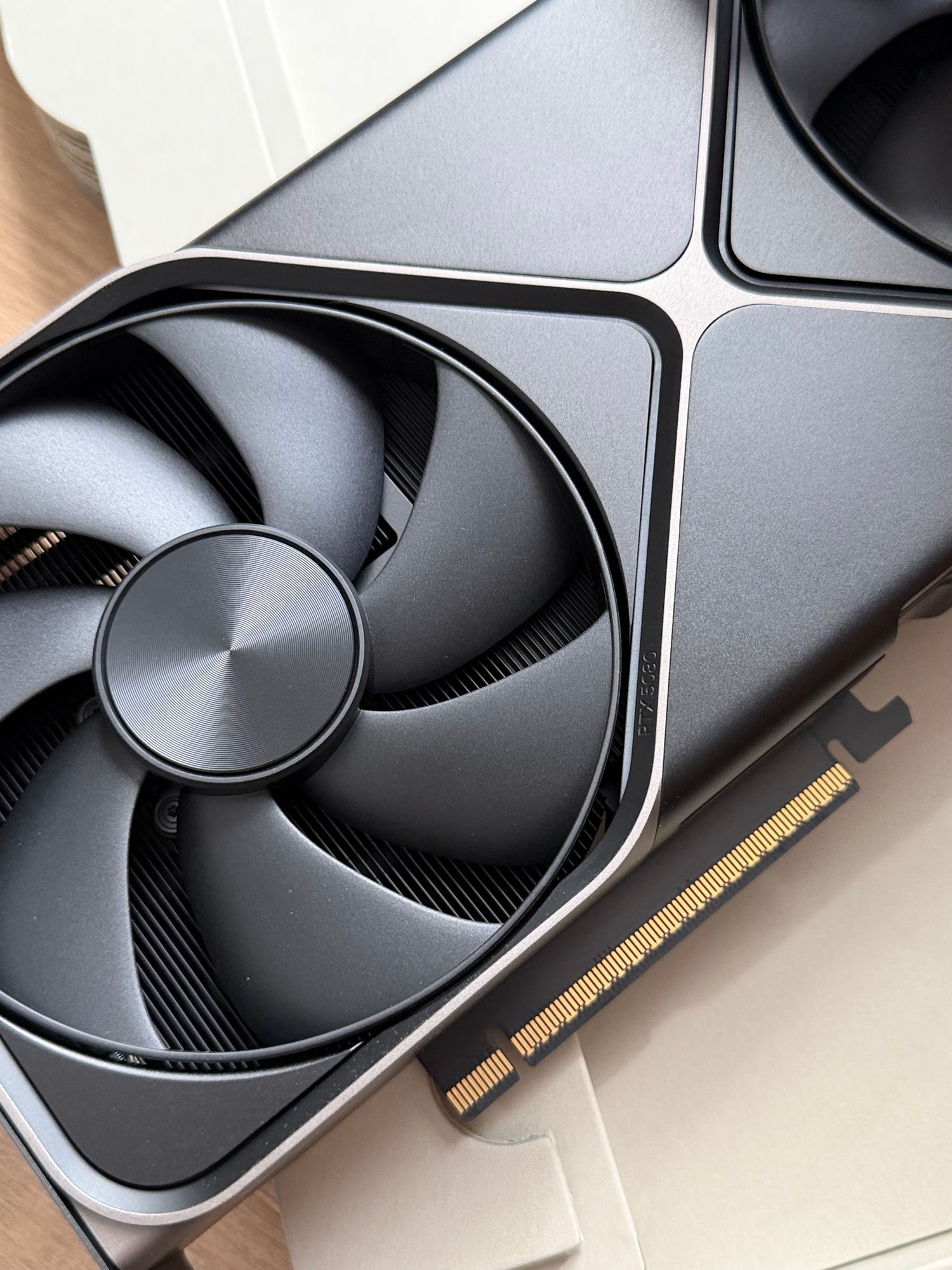
• Real protections. A well-built supply is designed to shut itself down safely when something goes wrong. A cheap one can fail the other way, and take a card or a board with it.
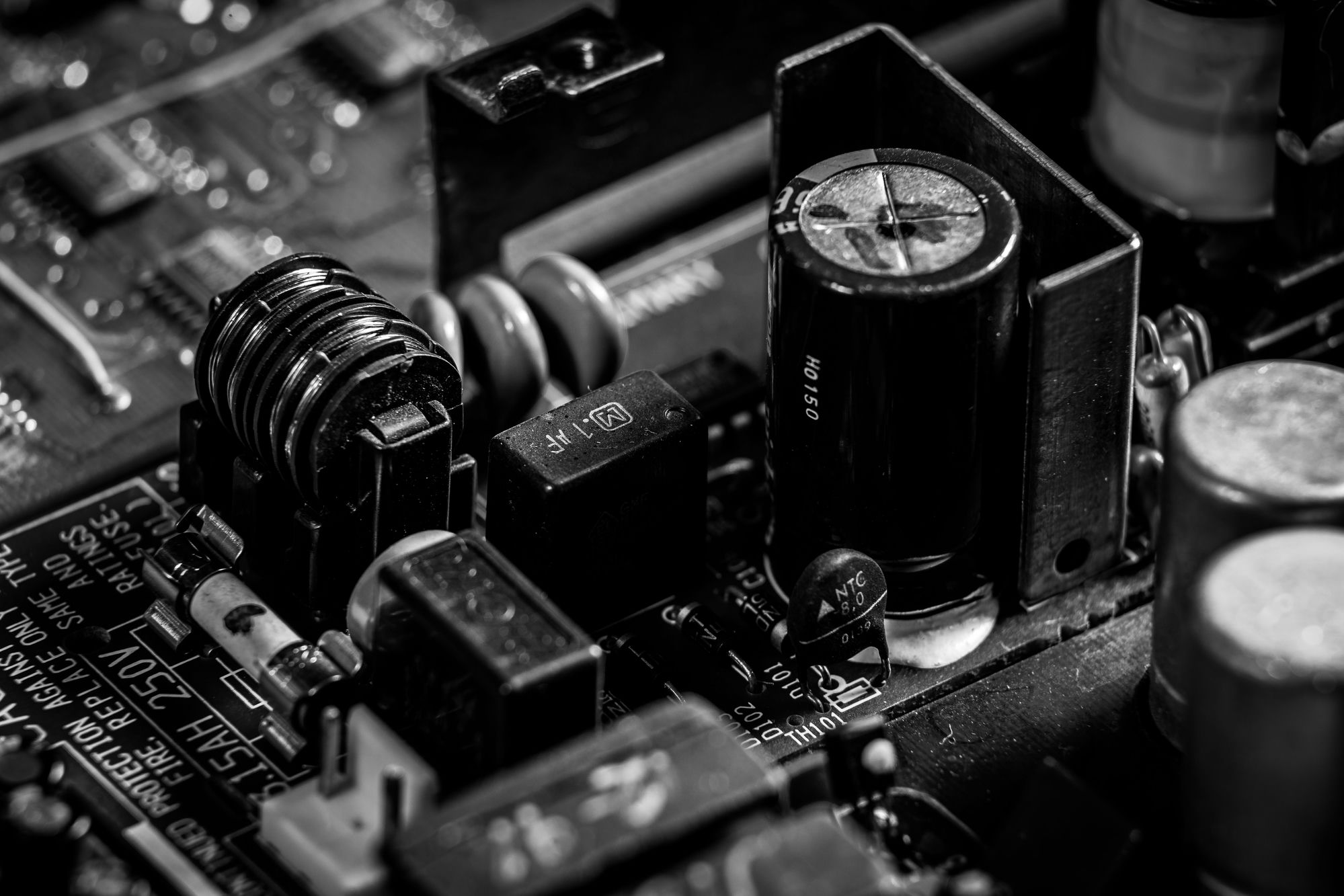
• Actual component quality. Better capacitors, a longer-lived fan, a proven internal platform. Invisible from the outside, decisive over years.
• How loud it is. Some supplies stay silent or spin their fan only under real load; others whine or click even when idle. Two units with identical badges can sound completely different on your desk.
Here’s the hard part: none of that is knowable from the spec sheet, and not even from the brand. Good brands ship weak units, and unknown brands sometimes ship excellent ones. The only way to actually know is a teardown and proper testing, which is not something you can do at a product page.
Which is why the community built a tool for exactly this. The Cultists Network PSU tier list is the most established resource of its kind: it ranks specific power supply models into quality tiers based on real internal review — the voltage stability, the protections, the components, all the things above — and it even marks which units run quiet. Before you buy any supply, find the exact model on that list and see where it lands. It’s the single best way to see past the badge. You can find it at cultists.network.
So don’t buy a power supply on its wattage, its efficiency badge, or even its brand name. Those tell you how big it is and how little it wastes, not whether it will quietly protect the expensive machine you built around it. Remember this entry the next time a spec sheet shows you two numbers and calls it a day.