
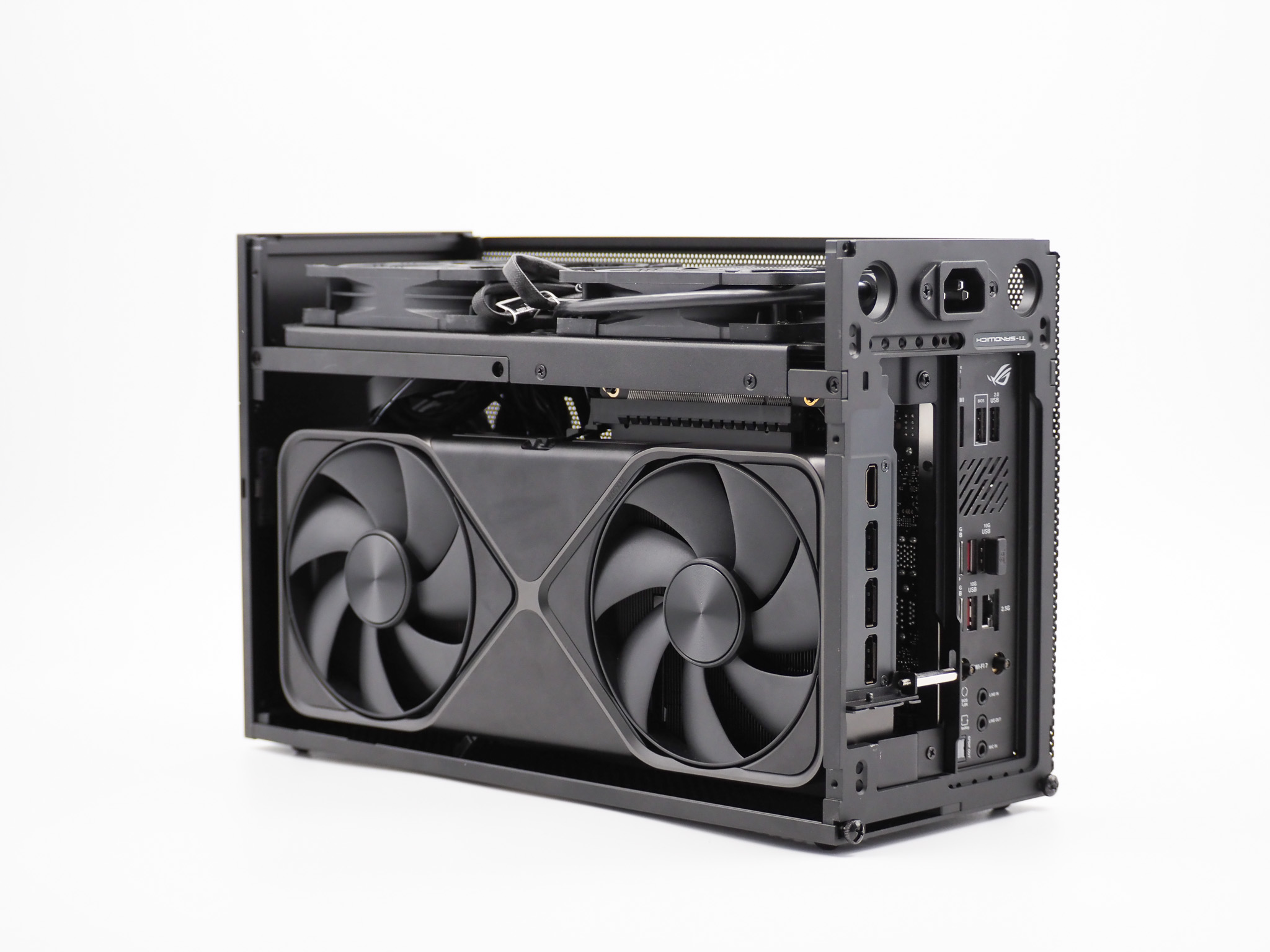
Today, we’re introducing Dusk.
The idea behind it was simple. As business and AI work keep pushing for more compute, the requests landing in our custom order portal, more than any other, have been some version of the same ask: make it as small as you possibly can. Dusk is our answer to that, and its whole purpose is density, the most capable machine we can fit into the least space.
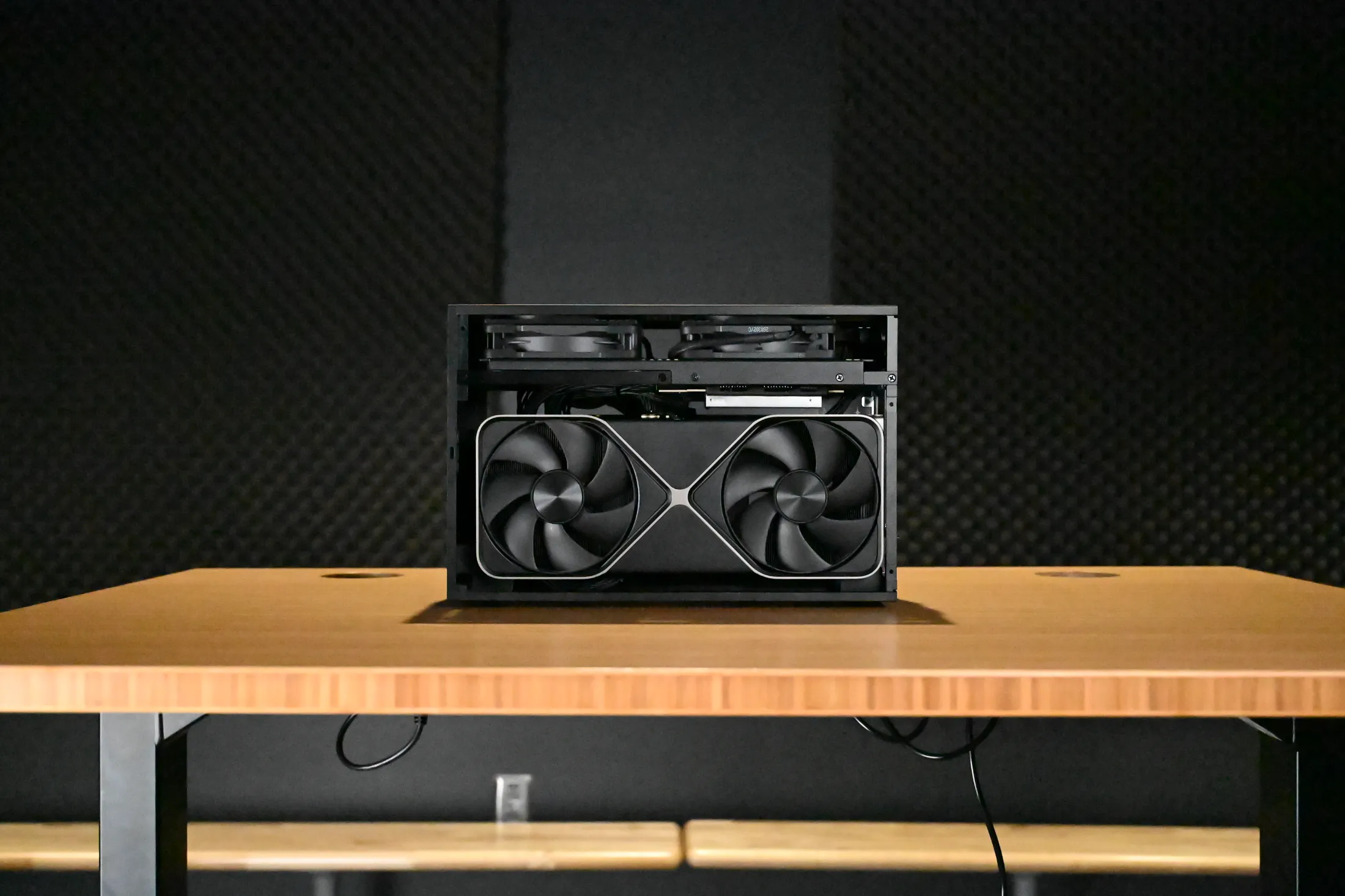
We started where a lot of good small builds start, at the FormD T1, a case the small-form-factor community has supported and loved for years, and we began working out how much power we could reasonably pack inside it. The hard part of a build this size is always the graphics card. A high-powered card throws off more heat than a case this small wants to handle, and there are really only two ways through it:
• Extend the card outward, opening up a heat chamber that runs down the spine of the case and gives that heat somewhere to travel.
• Flip the card so it exhausts outward, pulling its air in by drawing it through the chassis rather than pushing it.
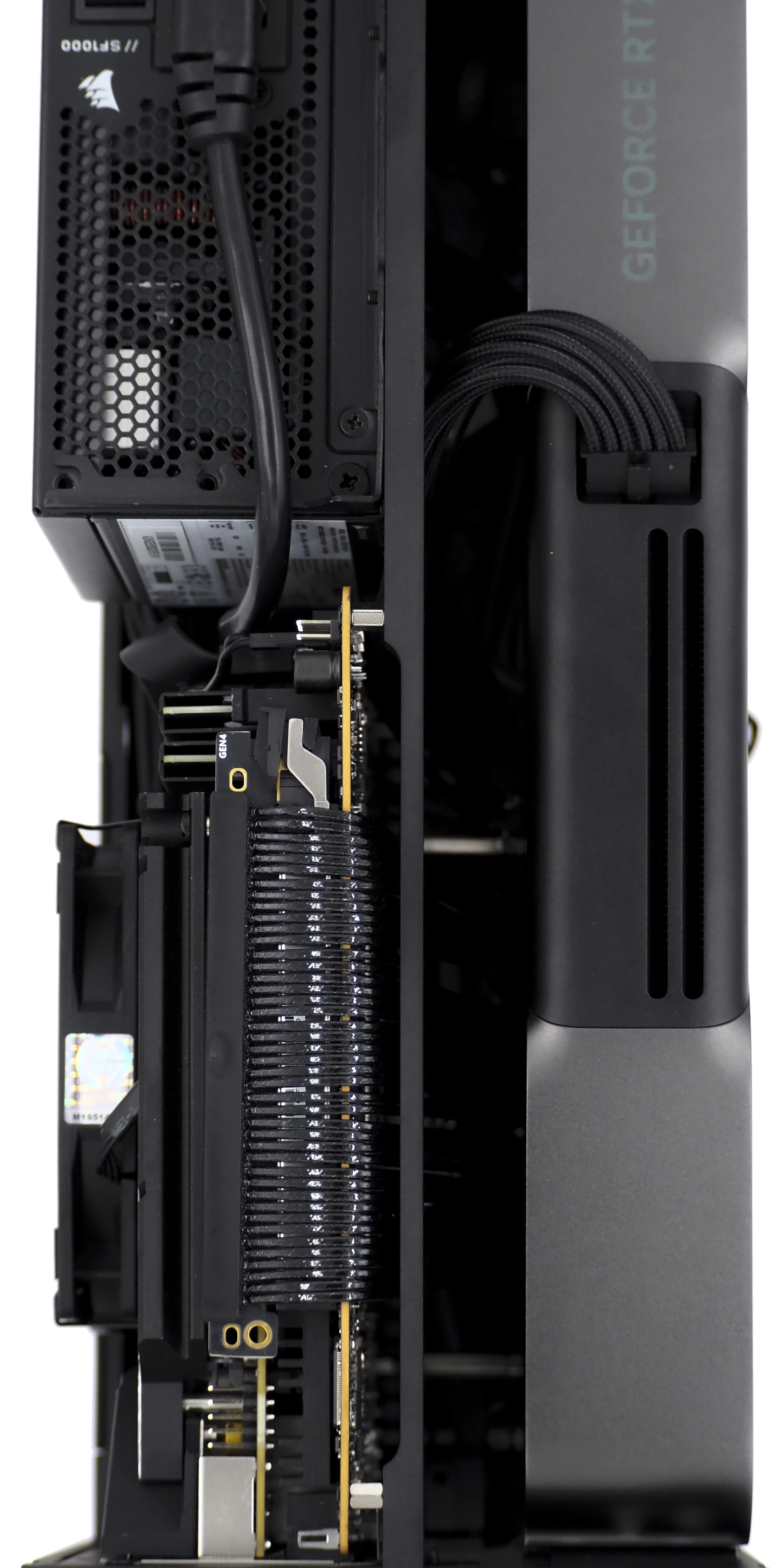
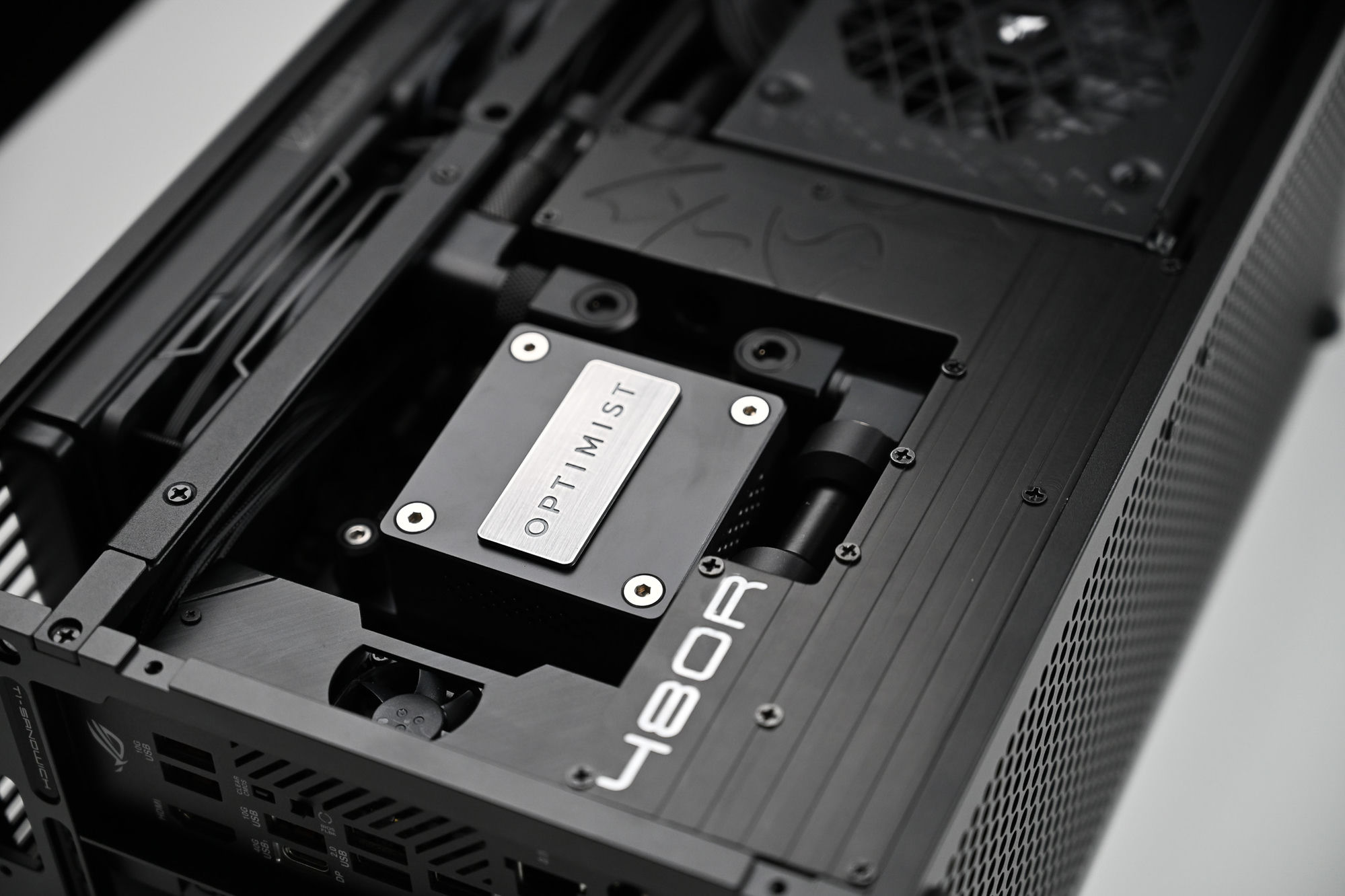
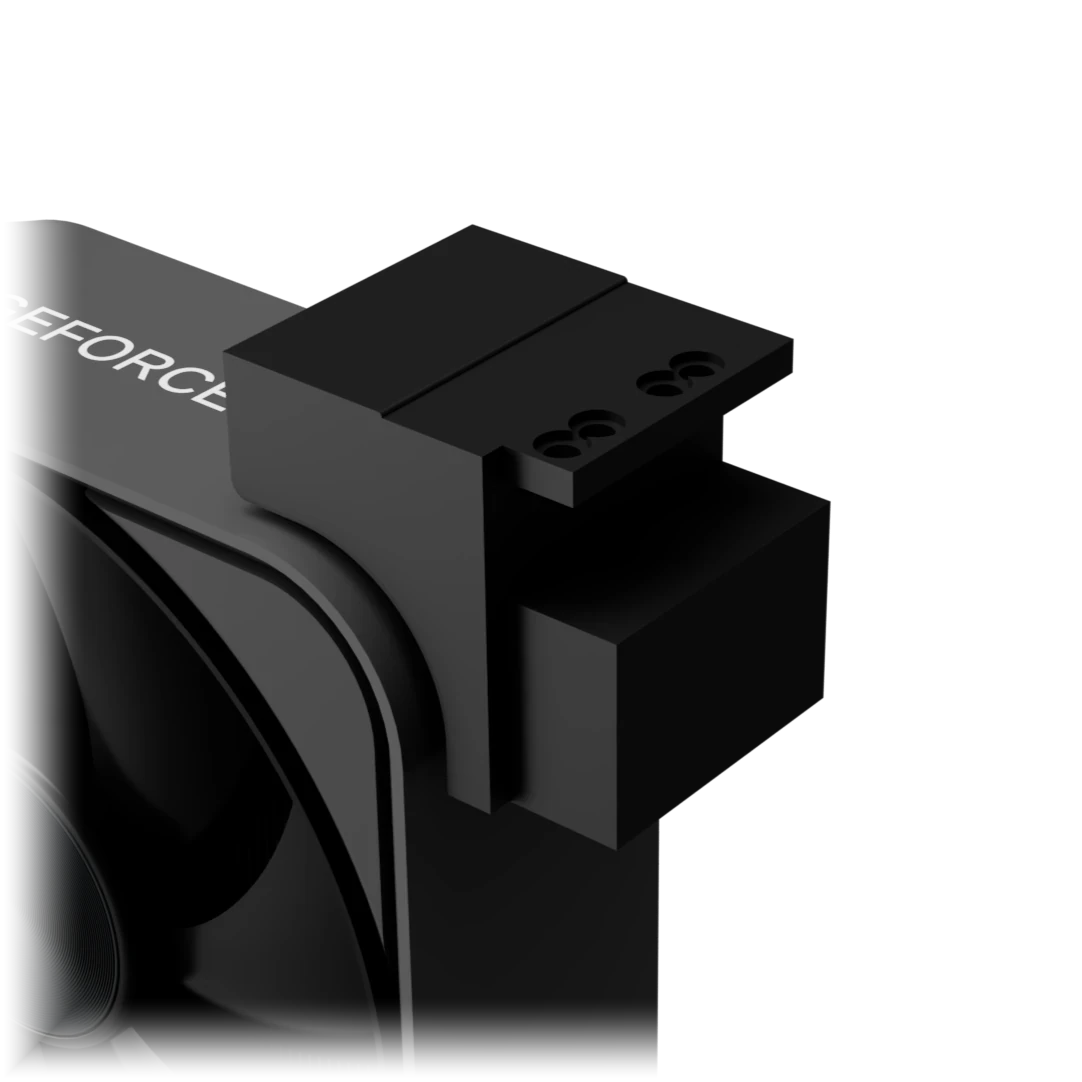
We went with the former. It gave us the thermal room we needed, but it raised a problem specific to who Dusk is for. A lot of these machines go to people who travel with them, and a card cantilevered out into open space is exactly the kind of thing that doesn’t love being shipped or carried. So we went back to the drawing board and designed our own support brackets that screw directly onto the frame of the case, bracing the card across its body and dramatically increasing the side load it can take. What began as a thermal decision became a travel one, too.
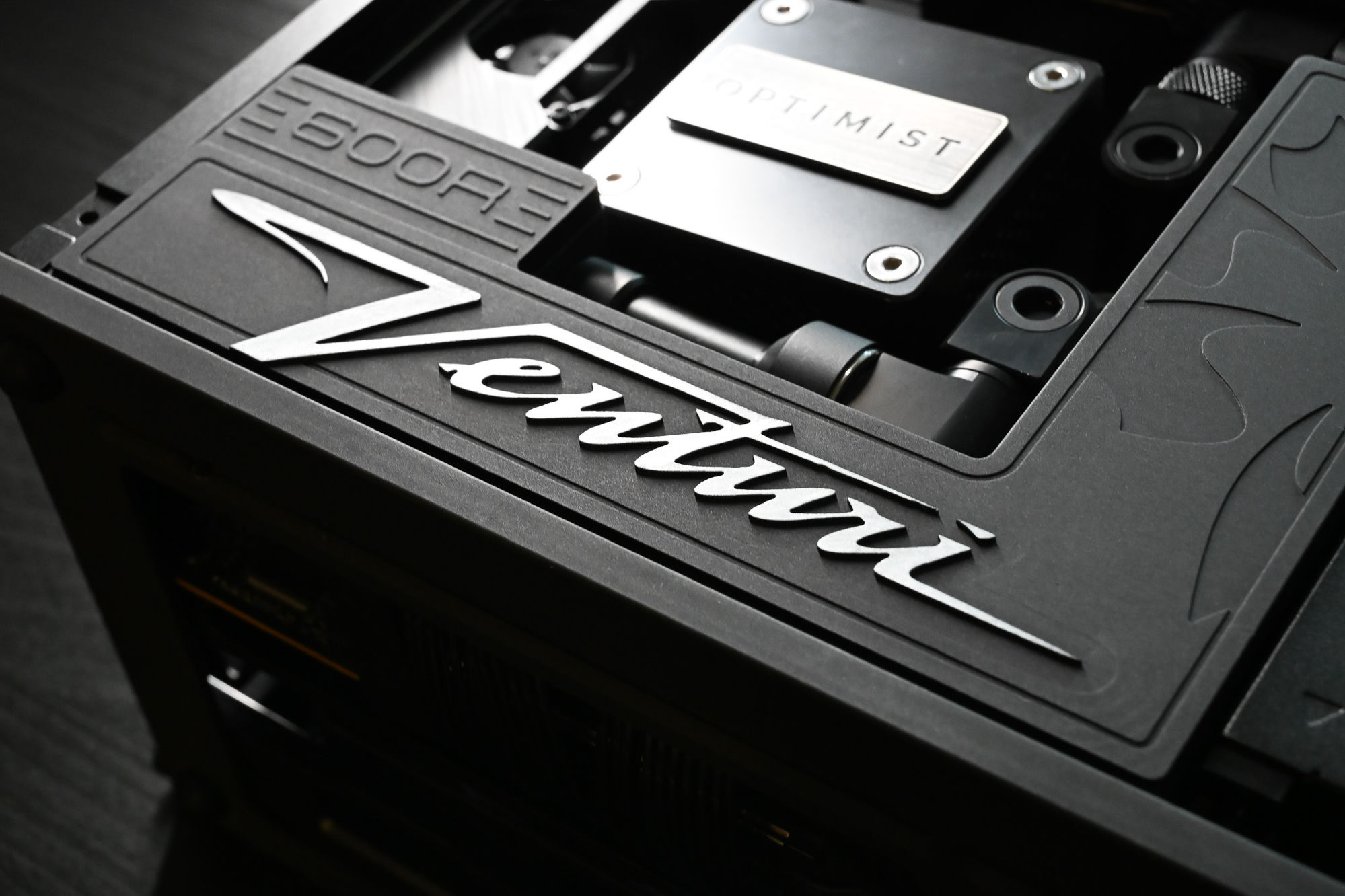
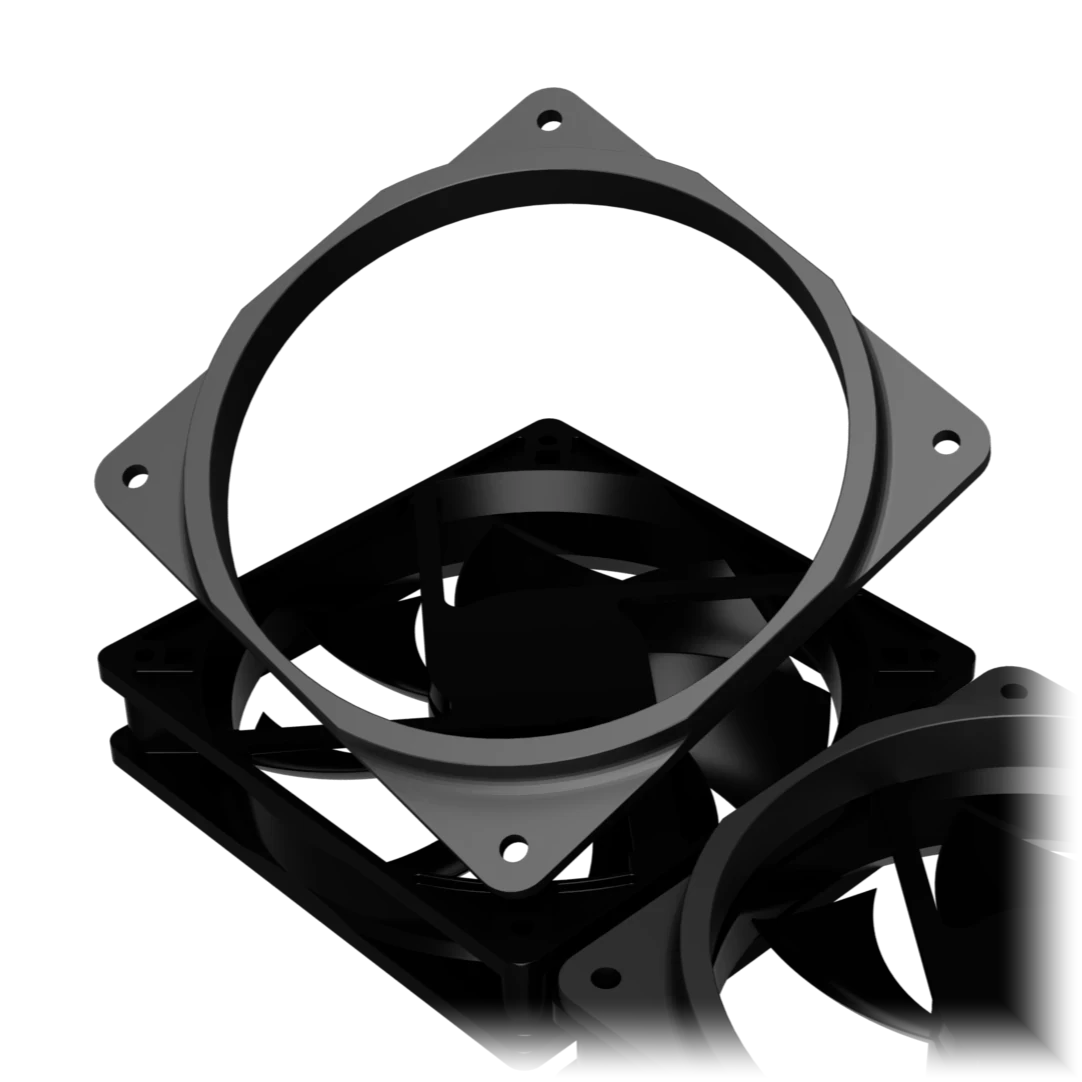
The finishing touches follow the same logic. A minimal Optimist wordmark sits etched into the front panel, quiet enough that you’d have to look for it. And the top exhaust fans run through custom air ducts, so hot air leaves the system cleanly instead of tumbling back into it, no recycled heat, no turbulence, nothing working against the cooling we built the whole machine around.
Dusk is for the part of our customer base with a genuinely utilitarian need, the people who want serious density and real portability in one machine, and shouldn’t have to choose. We hope they find their system in it.